
Compression & Transfer Molder with Extrusion Expertise | Minor Rubber | Bloomfield, NJ
Minor Rubber is a US-based manufacturer operating a 90,000 square foot facility that specializes in rubber products for diverse industries including aerospace, military, and heavy industry. They maintain a comprehensive, self-contained operation that manages all their own tooling with EDM and handles compression, transfer, and injection molding, as well as extrusion, grinding, and splicing. By compounding all materials domestically, they offer both extensive standard catalog items and custom part production. The company emphasizes a consultative approach to customer service, providing design assistance to ensure parts meet application requirements rather than just design specifications. Their capabilities include rubber-to-metal bonding, encapsulation, and specialized molded corners for extrusions that avoid the failures associated with glued alternatives. They accommodate a wide range of production needs, from small quantities to large volumes, and offer a custom standard parts option that utilizes existing company-owned tooling to reduce costs and development time.
when you're buying rubber products you have custom parts you're looking for and standard parts you're looking for we have something in the middle of that our standard parts can be not so standard you're looking at our our catalog that has you know a thousand plus parts extrusions we have bumpers grommets vibration mounts that we keep in stock for you know quick turnaround that you say i like that standard part i like that configuration but i want it made in a different material because my environment will not take your standard part but we can use the same tool and you want to make modifications to the material or durometer we can give you a different utensil we can give we can change color we can change the type of stud we can use different diameter studs we can use different lengths of studs we have all kinds of variations there's no tooling costs associated with making those changes and the turnaround is quick and we can customize that part based on a standard minor rubber owned tool that all of our customers can utilize we call that custom standard parts and it's only available for minor rubber which means no tooling cost and no development time and still it has a faster turnaround than a custom part and beyond that we also do custom parts if none of our standard parts would work for you we will produce your custom part for you we always say let all your rubber problems be minor problems here at minor rubber we have three methods of molding rubber parts compression transfer and injection cast urethanes urethanes latex dip molded products a big thing that we always hear is you know our approach to customer service it's all about relationships and whether it's one part or 20 parts it doesn't matter the relationship is formed that's how we do business that we are a company a well-established company we have knowledge and capabilities in many different fields we do aerospace we do military we do just about anything you can think of we have a lot of people who have like a lot of knowledge we have the equipment we have the ability to produce the part you need and we understand a lot of what you need which you may not be able to articulate those we can discuss with you and draw that out of you we like to have a very conversational conversational relationship with people as to not just what is the part you need but what is the application that's really the key where are you going to use it we are very customer focused you can go down our street and probably get a great part from someone else but it may be exactly what you asked for not what you need what it means is you've designed a part or picked a material that you think is ideal for your application application we look at it and with our expertise of 106 years we can come back to you and say hey i think you may want to look at this and why now we never ever talk down to our customers we engage them we say to them look i respect what you've done and i like your design but here's something i think would be more appropriate for your application i can tell you that our success on uh new jobs if not 99.9 it's 100 once we commit to make something for you very very rarely will we ever have to do it a second time here we are in our 90 000 square foot manufacturing facility here are presses for the compression and transfer molding and over here we have our presses for our injection molding process we have our extrusion lines we have our curing ovens we have our cutting department we have our grinding department we have our splicing department so everything we do here here is completely self-contained we also do all of our own tooling here with an edm we make our own extrusion dyes splice molds everything is is right here 95 96 percent of what we sell is made here in the united states now we don't bring any material in all the material used in georgia all the material rob uses up in new hampshire is all compounded in the united states [Music] [Music] you're looking for a compression molded part if you don't have little tight tolerances it's a bigger part it could be a part that's made from a very difficult material to mold because it can handle the higher durometers we don't have to worry about the material flowing into the cavity it's already in the cavity compression molding is a two-piece mold and you'll see here that you have a parting line which means that half of the part is in the top of the mold and half of the part is in the bottom of the mold this is the simplest form of molding the cheapest molds that you can make because there's less technology we have a cut out in the mold that represents the size of the part it's a rectangle and in that mold we put a load a specific piece of uncured material that we lay in the cavity when the mold comes together it squashes that under heat and pressure and it fills out the cavity to yield the part we can do maybe three feet by seven feet that would be the biggest the smallest molds we run are probably 12 by 12 inches this is a also a compression molded part the parting line is right here it goes right down here and you can see that that half the part is made in the upper plate and in the bottom plate there's a core that goes in here that that forms the part the cure time is longer it's about 20 minutes or bigger parts one cavity mold maybe two to four cavity mulch so you don't produce that many pieces an hour but your tool cost is very low the uh the one thing with this is after you mold it you have to trim it there are trim grooves and when we take this out there's a lot of flash here so that has to be removed by hand so there is some labor after it's been molded uh it's it's basically left for heavy industry heavy parts parts with a lot of material i mean we use it for all types of industries agriculture you know transportation transportation so molds can run anywhere from a thousand dollars to twenty thousand dollars it all depends on how big the part is how complex it is all tooling that we manufacture is hardened steel country philosophy is we're not a company just makes rubber parts we're a company that gets involved with you we don't design parts but we give you design assistance we don't design formulas per se or compounders do that but based on the feedback we get from our customer we give that to our compounders and they come up with a formula that will meet your specifications specifications [Music] the transfer molding process is taking the material and transferring it from the pot into the cavity here's a perfect example of that what we do is instead of laying the uh the material in the cavity we have what they call a pot that sits above the top plate so what we do is we put the material in the pot press it down with the press it melts and goes into the cavities fills out the cavities and makes the part now why would we do this instead of just making a compression part well it's a little bit tighter tolerance we do rubber to metal bonding so we'll put the plate in the mold you'll see here on the top of this part you'll see two what we call gates and that's where the material is coming from the pot into the cavity to form the uh the part yeah there's a metal plate a steel plate and it's bonded right to the rubber we could also encapsulate a part we have one part here that has rubber on on four sides but not on the bottom and this is another part and we can see the gates here where we inject into the mold as well that's how the material comes from the pot into the cavity this is this is an example of transfer molding [Music] [Music] now we have a number of ways of uh producing an extruded part they're basically four four methods for extruding you have microwave you have salt you have hydro vulcanizing we call hiv and you have conventional cure which is steam cured it's a matter of taking uncured rubber feeding it through like your old meat grinders people are always amazed to find out what our material is like before we extrude it and actually it's just a piece of it looks like it feels like a piece of uncured gum rubber and your extruder profiles that have a die on the end of it it's in the configuration you're looking for it goes through a tunnel passes through a heating unit that cures it and cure it in line to make the proper durometer in some cases we have cutters on the end up and people want pieces cut out of that extrusion they just cut them in the end to fall on a box and you're done or we put it in an oven to post cure now what we try to do is run most of our product through our continuous cure line because it saves labor saves energy when we get to the end of the line it's ready to put in a box and ship it whether it be cut or shipped as a coil or a straight length length and then on the conventional cure with the steam cure we extrude it and then we put it in vulcanizers autoclaves and cure the material there are some materials that require that and there are other compounds that can't be run with continuous cure what minor rubber really does better than most of our competitors are our molded corners in fact if you look at this part you can hardly see the parting line that's how good a job we do it's something that not every rubber company wants to do that that extrudes rubber but it's something that we specialize in and take a great deal of pride in yeah you can do it you can do a molded corner you can do an injection molded corner or you can do a butt splice they're all done under heat and pressure many of our competitors use glue the way we do it we do it under heat and pressure which gives you a much better bond we use a cold bond it's more apt to fail fail now it's cheaper and it's easier to do because you don't need the equipment that we have but this is the right way to do it yeah as far as we're concerned glue won't do you've got to do it in a vulcanized process process here's an example of a gasket that we've made with a splice corner it's got a 90 degree angle here and probably about a 60 degree angle here and we can do cross sections up to maybe two and a half three inches by four or five inches a lot of places don't offer all the capabilities that we have for putting corners on on extruded parts here's a an example of a butt splice gasket which is just like used as an o-rings here's something that we're doing right now for our transportation account where we extrude the the gasket we buy the sensors and then we insert the sensor and deliver it as a as a assembly to the customer so here we have an extrusion same profile here same profile here we place this in a mold we inject the molded corner to uh to bring the two together and this will never come apart this part we could only do in say six foot lengths and cure it conventionally when the ovens aren't deep enough so what we do is take two long lengths and then butt them together to form an even longer length and and so you have a splice here that is almost equal to the strength of the product itself here's an example of our being able to mark parts with your data we can put a mil spec on it we can put your part number on it and you can repeat every so many feet or every so many inches so we do that in line two so that's not a stencil what's great about extruding is that we can take a a profile say you want this profile here we can produce this in 10 15 20 foot lengths lengths when our extruding process and the cost of tooling is negligible and we can run anywhere from 500 feet to 10 000 feet 25 000 feet at an economical price and with quick turnaround times and we can run small quantities order sizes for for production could be anywhere from 500 up so you could start off with a part never made it before come to us we'll say okay the the die on this is gonna be 350 and i can run you 500 worth of material as a minimum run if it's from a standard compound compound and therefore for less than a thousand dollars you go from nothing to getting a production part we always say let all your rubber problems
Back to Minor RubberPartGurus Facility Tour | Official Supplier Channel:
Minor Rubber →
Verified shop facts
- Location
- Bloomfield, NJ
- Processes
- Injection Molding, Extrusion, Rubber Molding, Gaskets / Seals, Laser Marking / Engraving, Tube Fabrication, Shims / Washers, EDM, Grinding, Assembly, Product Design / Engineering, Tooling / Mold Making
- Materials
- Rubber, Steel, Silicone, Plastic, Polyurethane
Buyer-intent Q&A
About this supplier
Minor Rubber is a US-based manufacturer operating a 90,000 square foot facility that specializes in rubber products for diverse industries including aerospace, military, and heavy industry. They maintain a comprehensive, self-contained operation that manages all their own tooling with EDM and handles compression, transfer, and injection molding, as well as extrusion, grinding, and splicing. By compounding all materials domestically, they offer both extensive standard catalog items and custom part production. The company emphasizes a consultative approach to customer service, providing design assistance to ensure parts meet application requirements rather than just design specifications. Their capabilities include rubber-to-metal bonding, encapsulation, and specialized molded corners for extrusions that avoid the failures associated with glued alternatives. They accommodate a wide range of production needs, from small quantities to large volumes, and offer a custom standard parts option that utilizes existing company-owned tooling to reduce costs and development time.
More from Minor Rubber
Does Your Rubber Extrusions need Laser Marking? This is how we do it | Minor Rubber | Bloomfield, NJ
Injection Molding
Custom or Stock Molded, Extruded & Dipped Rubber Products | Minor Rubber | Bloomfield, NJ
Injection Molding
Rubber Molder With 65 Years of Helping You Find the Right Part | Minor Rubber | Bloomfield, NJ
Injection Molding
Wish You Could Tweak a Catalog Part but Not Pay Through the Nose? | Minor Rubber | Bloomfield, NJ
Injection Molding
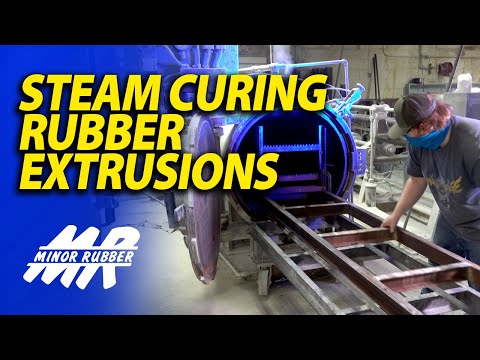
How to Cure Rubber Extrusions? See it Here - We Have the Steam | Minor Rubber | Bloomfield, NJ
Injection Molding
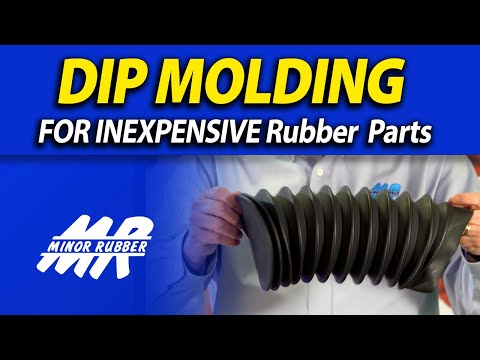
Need Low Volume Rubber Molded Parts? Try Dip Molding | Minor Rubber | Bloomfield, NJ
Injection Molding
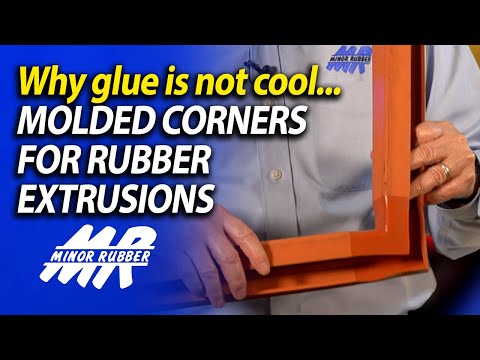
Rubber Extrusion Corners & Seams - GLUE WON'T DO! | Minor Rubber | Bloomfield, NJ
Assembly
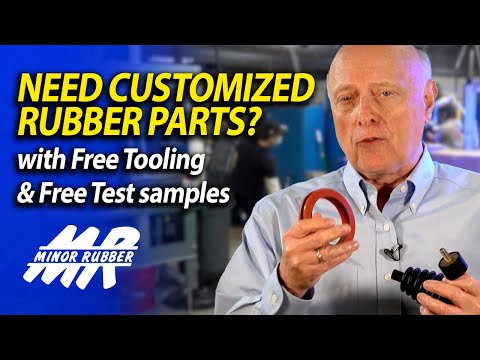
Need Catalog Rubber Parts but Need Them Modified & With FREE Tooling?| Minor Rubber | Bloomfield, NJ
Injection Molding
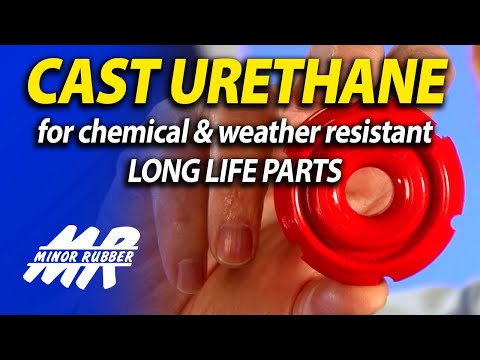
A Cast Urethane Story That Saved the Customers Business! | Minor Rubber | Bloomfield, NJ
Injection Molding

FREE Rubber Design Guide- Which Material For Your Part's Application | Minor Rubber | Bloomfield, NJ
Injection Molding
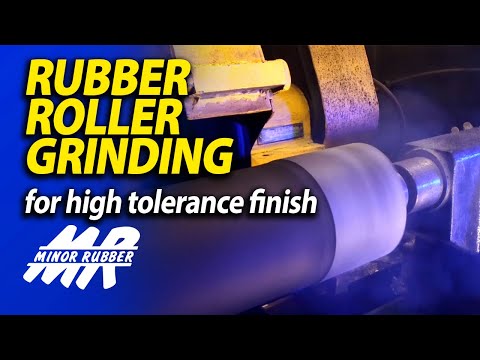
Rubber Rollers - Precision Extruded and Ground in House | Minor Rubber | Bloomfield, NJ
Grinding
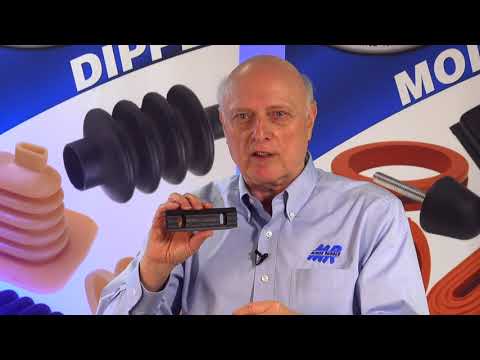
What is Transfer Molding For Rubber Parts? | Minor Rubber | Bloomfield, NJ
Injection Molding
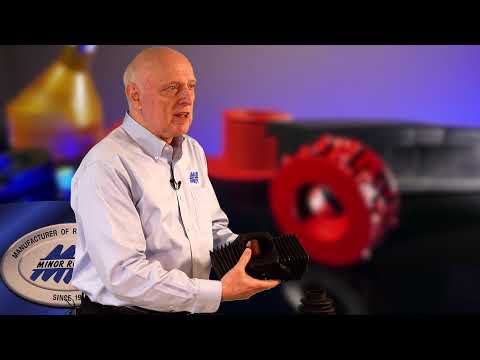
Is Compression Rubber Molding for You? | Minor Rubber | Bloomfield, NJ
Injection Molding
FREE Rubber Materials Engineering Guide | Minor Rubber | Bloomfield, NJ
Injection Molding
Rubber Extrusions - How They're Made and Why | Minor Rubber Company | Bloomfield, NJ
EDM